
We are Nalandabodhi London—a small community of meditators dedicated to contemplative dharma practise and kindness in action under the guidance of Dzogchen Ponlop Rinpoche.

“When strong minds are directed toward peace and harmony, global change is within reach.”
– Dzogchen Ponlop Rinpoche
#Gokind
Activities
Simply Sitting
30-minute meditation practice
Every Wednesday,
8 - 8:30 pm London Time | Online
What is my path?
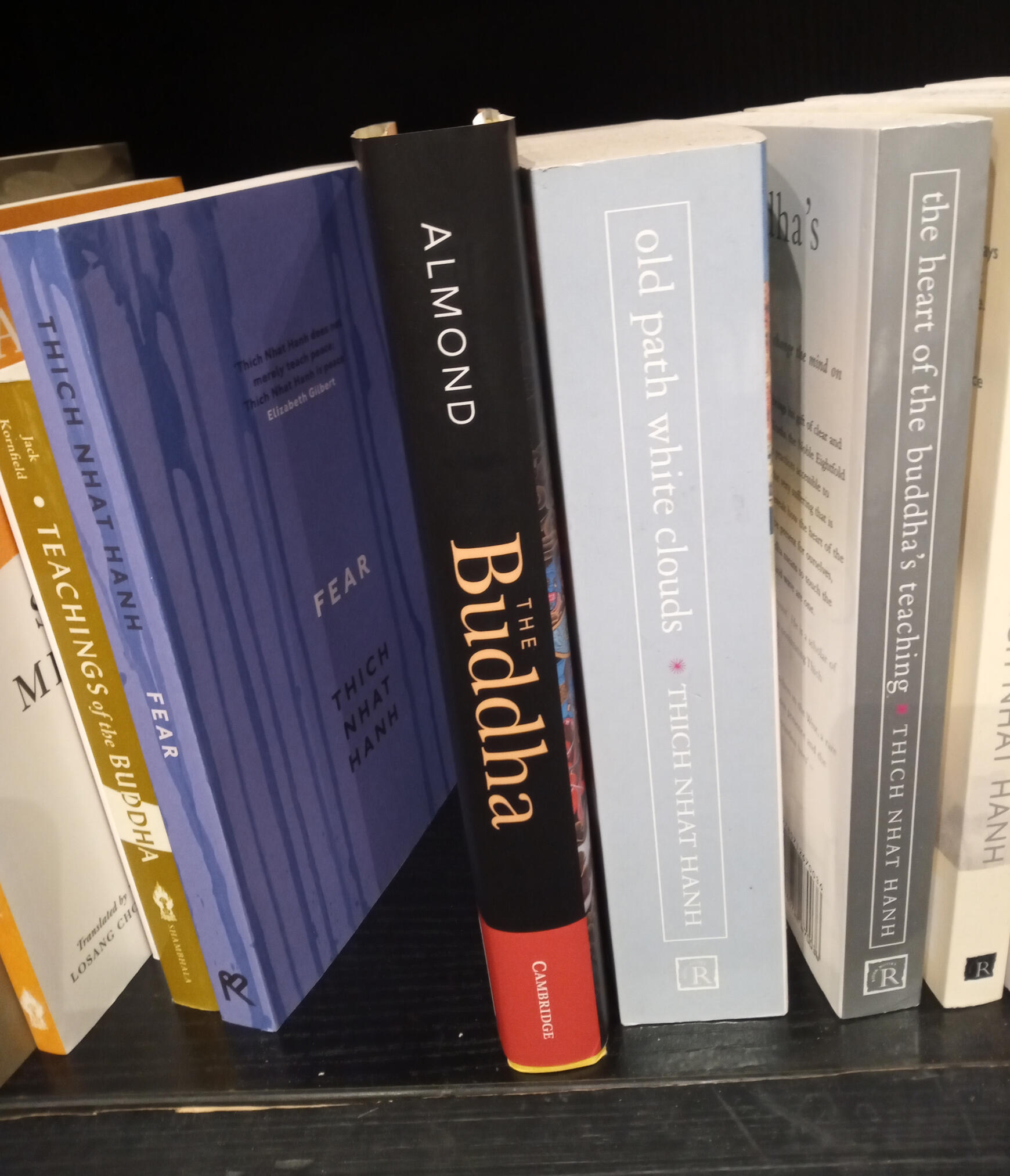
Contemplating stories of the Buddha’s life and early sangha to explore how we can live with greater kindness, clarity, and simplicity in a complex world.
Full moon days from 7:30 to 8:30 pm London time | Online (see calendar for the next gathering)
Tara Sadhana Practice
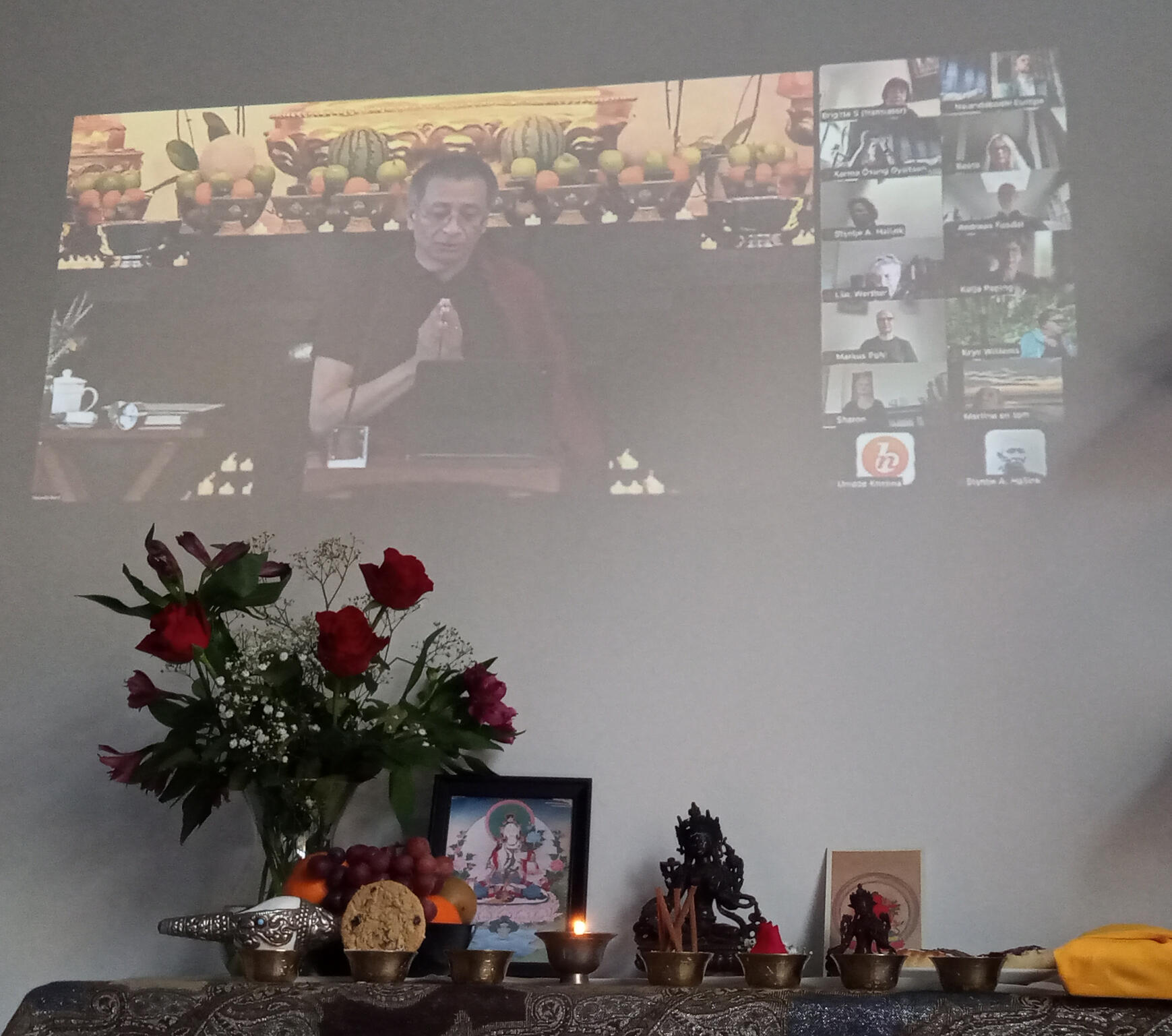
Lineage practice of Tara as taught by Dzogchen Ponlop Rinpoche.
Every 8th day of the Lunar Month,
starting 6:15 pm UK Time | Onsite and Online
(see calendar for the next Tara practice)
Contemplative Sunday Morning (starting Sep 2026)
Meditation, readings from buddhadharma, contemplative conversation, and shared lunch.
Second Sundays of the Month,
10 am - 1 pm UK Time | Onsite or Online
(see calendar for monthly topic and the next gathering)

For a list of upcoming activities, dates and to join, please look at our activities calendar.
All activities are offered freely. Donations of any amount in support of our community are deeply appreciated.
Tea and Dharma Chats
Occasionally we gather in a café or public space to discuss contemporary issues through the lens of buddhadharma, based on teachings and practices taught by Dzogchen Ponlop Rinpoche.
Join our "Tea & Dharma Chat" Group on Signal to hear about the next gathering and continue our conversation.
Activities Calendar
| Date | Time | Activity |
|---|---|---|
| Tue 3 Mar | 7:30 - 8:30 p.m. (GMT) | What is My Path? |
| Wed 4 Mar | 8 - 8:30 p.m. (GMT) | Simply Sitting |
| Wed 11 Mar | 8 - 8:30 p.m. (GMT) | Simply Sitting |
| Wed 18 Mar | 8 - 8:30 p.m. (GMT) | Simply Sitting |
| Wed 25 Mar | 8 - 8:30 p.m. (GMT) | Simply Sitting |
| Thu 26 Mar | 6:15 - 7:30 p.m. (GMT) | Tara Practice |
| Wed 1 Apr | 7:30 - 8:30 p.m. (GMT) | What is My Path? |
| Wed 8 Apr | 8 - 8:30 p.m. (GMT) | Simply Sitting |
| Sat/Sun 11/12 Apr | 10 - 12 p.m. (GMT) | Tea & Dharma Chats |
| Wed 15 Apr | 8 - 8:30 p.m. (GMT) | Simply Sitting |
| Wed 22 Apr | 8 - 8:30 p.m. (GMT) | Simply Sitting |
| Fri 24 Apr | 6:15 - 7:30 p.m. (GMT) | Tara Practice |
Connect
We'd be glad to connect. Reach us at [email protected], join our Signal chat group, or follow us on Instagram
What meditation is (not)
"It's not meditation, it's familiarisation."
– Milarepa
What is meditation,
how do we practice it, and why?
The Tibetan word སྒོམ། ༼gom༽ is often translated as "meditation," but in a recent teaching at Nalanda West in Seattle, Dzogchen Ponlop Rinpoche (DPR) pointed out that the meaning is described as "becoming acquainted" or "familiarisation." Thus, the practice of meditation is more like becoming acquainted or familiar with your mind.
Meditation and Daily Life
To understand the practice of meditation, it is also helpful to know what meditation is not:"Meditation is not about doing something else, over there. It’s not a matter of leaving your mind or your world. That’s how we do it sometimes. But that’s the wrong approach. That’s why sometimes your meditation doesn’t have any effect on your daily life. Because when you separate your daily life from your meditation life, that becomes a big problem. There’s no need for such separation."
Learn more about Nalandabodhi
Nalandabodhi is a worldwide community of practitioners offering the timeless wisdom and boundless compassion of the Buddha to inspire individuals and create kind communities in today’s world, under the guidance of Dzogchen Ponlop Rinpoche.
Join our worldwide community
Consider becoming a member, both to support our worldwide community and to participate in lineage teachings and practices, as well as to receive guidance from a Practice Instructor (PI).

"Not committing any misdeeds whatsoever
Practicing virtue in abundance
Taming one’s mind completely
This is the teaching of the buddha."– Buddha Śākyamuni
#GoKind
Good moment Nalandabodhi.London. All rights reserved.London Skyline sketch is based on an original London Image created by David Thiel
Thank you.
#GoKind
Simply Sitting: Wednesday Evening Meditation

“The practice of meditation is basically a process of getting to know yourself by becoming familiar with your mind.”— Dzogchen Ponlop Rinpoche,
from Rebel Buddha: A Guide to a Revolution of Mind
More About Simply Sitting
What is the state of my mind?On Wednesday evenings, we gather to sit together — not to perform or achieve anything, but simply to be present and turn inward.Life can feel rushed and demanding. Simply Sitting is a space to pause in the middle of the week and learn how to work with our mind, in stillness and in movement.Drop-in · Stop Doing
You’re welcome to join whenever you’d like. No special requirements — just the wish to stop doing for a moment and be present.When: Wednesdays, 8:00–8:30 pm (UK time)What: A lightly guided meditation, beginning with brief instructions, followed by sitting together in silence.Where: Online.
Sign up above and we'll email you the link to join.
Thank you for signing up.An email should appear soon in your inbox with the link to join.Looking forward to sitting together.
What is my path?

How can we live with greater kindness, clarity, and simplicity in a complex world?On Sojong days – the days of new and full moon – monks and nuns traditionally pause to reflect on their commitments and aspirations. Inspired by this practice, Karma Ösung Gyaltsen, novice monk in the Karma Kagyü lineage and student of Dzogchen Ponlop Rinpoche, offers bi-weekly gatherings open to everyone to look carefully at our actions and what we strive to accomplish in life.
More About What Is My path?
During these bi-weekly gatherings we will contemplate stories of the life and teachings of Siddhārtha Gautama, the historical Buddha Śākyamuni, and the early community of monks and nuns.These stories and teachings have a universal character and form an invitation to explore our own spiritual path in a personal, direct way. After all, as Dzogchen Ponlop Rinpoche reminds us, the Buddha invited everyone to test his words–as a goldsmith tests gold by cutting, heating, and rubbing it. In other words: rather than blind faith, it is important to search for ourselves.What is called 'Dharma' in Sanskrit refers to this timeless wisdom: cultivating genuine well-being that comes from within, rather than being dependent on external circumstances.Open Invitation: These gatherings are freely accessible and open to everyone. You can join whenever it suits you; each session stands on its own.When: Bi-weekly on new and full moons. Full moon sessions are in English, from 7:30 to 8:30 pm (UK Time). New moon sessions are in Dutch, hosted by Nalandabodhi Netherlands, from 7:30 to 8:30 pm (Amsterdam Time).What: Contemplating stories and teachings of Buddha's life and early sangha as a way to reflect on our actions and aspirations and discuss challenges we meet in our daily lives with clarity and kindness.Where: Online.
Sign up above and we'll email you the link to join.
Thank you for signing up.An email should appear soon in your inbox with the link to join.We look forward to contemplating our path together.
Tara Sadhana Practice

In Tara practice we connect with the fearless and compassionate nature of our own mind, as symbolized by Tara, through a combination of methods—visualization, making offerings, chanting, and meditation—in order to embody and manifest those qualities more fully in our daily life.
More About Tara Sadhana Practice
Tara represents the fearless and compassionate nature of mind and is also a historical figure.
The image of Tara can be seen in many monasteries and stupas in India. Tara is a Vajrayana practice practiced by all four major traditions of Tibetan Buddhism.
It is a particularly important yidam (deity) in the Kagyü lineage that began when Milarepa's student Gampopa integrated the Mahamudra teachings of Milarepa with the Kadampa teachings of Atisha, including the practice of Tara.Dzogchen Ponlop Rinpoche has adapted this sadhana for English-speaking practitioners in a way that makes it easy to connect with the heart-essence of this practice.In Tara practice we connect with the fearless and compassionate nature of our own mind, as symbolized by Tara, through a combination of methods—visualization, making offerings, chanting, and meditation—in order to embody and manifest those qualities more fully in our daily life.A lung (reading-transmission) is required to attend this practice. If you haven't received it yet, please send us an email at [email protected] and we can arrange to offer it to you.Auspicious: Traditionally, it is taught that practicing Tara on the 8th day of the (Tibetan) lunar month is particularly powerful. You are welcome to join this beautiful sadhana as practiced in our lineage.When: 8th day of the (Tibetan) lunar month, starting 6:15 pm (UK Time)What: Tara Sadhana PracticeWhere: Online
Sign up above and we'll email you the link to join.
Thank you for signing up.An email should appear soon in your inbox with the link to join.We look forward to practicing Tara together.
Contemplative Sunday Morning

Where do we find the happiness, contentment, and freedom we are looking for? How do we make a positive contribution to our local and global society?Starting September 2026, we gather every second Sunday of the month to contemplate life based on readings from Nalandabodhi's Introduction to Buddhism materials and our own questions & interests. Lunch is offered afterwards.
More About Contemplative Sunday Morning
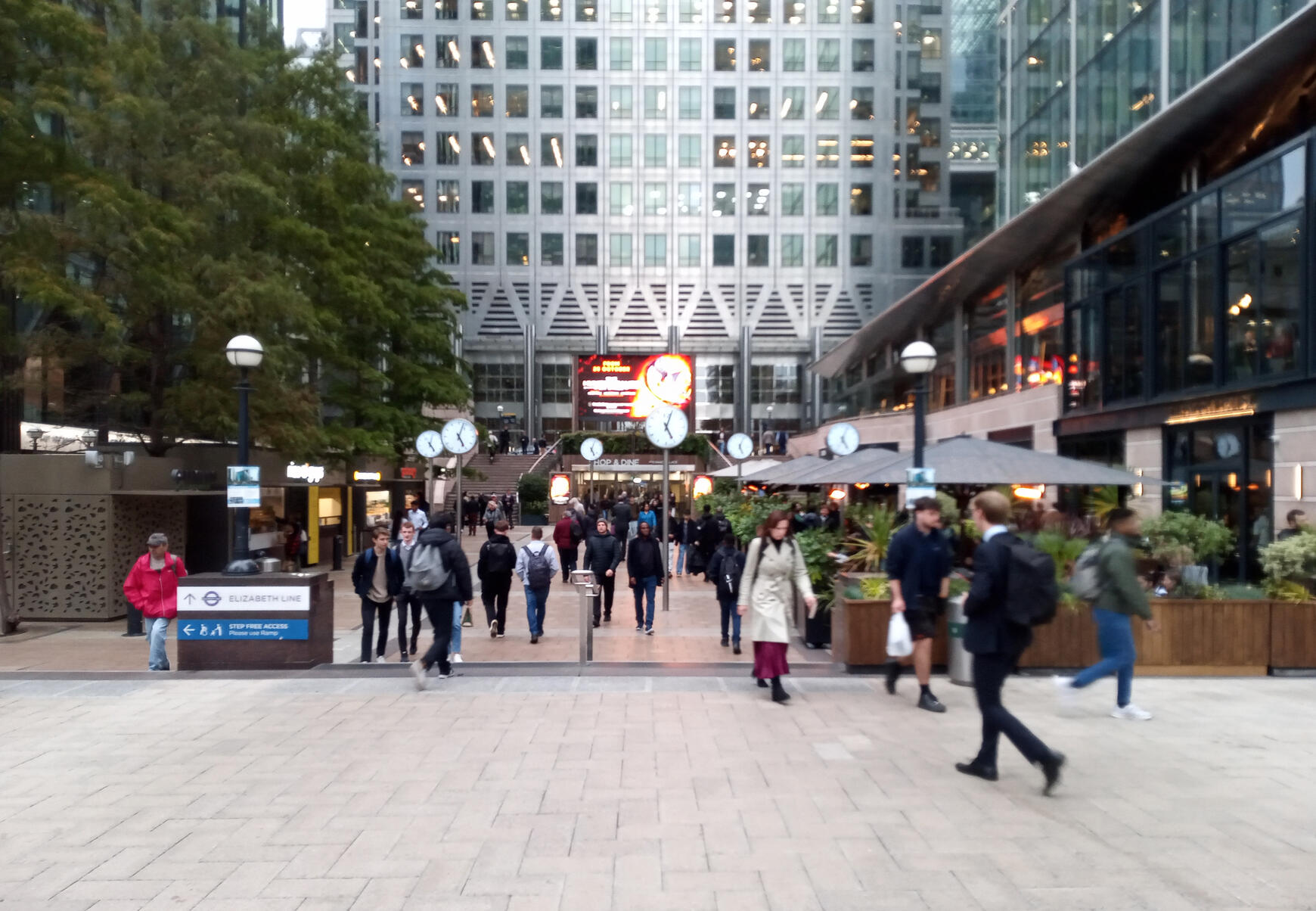
Similar to Siddhārtha Gautama, the historical Buddha Śākyamuni, we must ask genuine questions coming from our heart and desire to know the truth. This truth or wisdom, the Buddha taught, is not found outside; it is simply within ourselves.From the point of view of buddhadharma (teachings of the Buddha), to find fulfillment in life and engage in beneficial activities, we need to work with our mind.Drop-in: You're welcome to join whenever it works for you. No particular background or previous experience needed—just genuine curiosity about life's deeper questions and openness to contemplative exploration.When: Every second Sunday of the month, from 10:00 am to 1:00 pm (UK Time).What: Meditation, readings from buddhadharma, contemplative conversation, and shared lunch.Where: Typically onsite in London (near Canary Wharf), with occasional online sessions when circumstances require. More details and a typical schedule for each session will be sent after signing up.
Sign up above and we'll email you the link to join.
Thank you for signing up.An email should appear soon in your inbox with the link to join.We look forward to contemplating life together.
Tara Sadhana Practice

In addition to being a symbol of our fearless nature of mind, Tara is also a historical figure. She was a devout practitioner and princess who vowed to attain full awakening in a female body, demonstrating that gender is not a barrier to enlightenment. Therefore, Tara is considered both a symbolic representation of our inner qualities and a historical, female bodhisattva.The purpose of this practice is to dispel fear and cultivate compassion. In all wisdom traditions, including Buddhism, it is said that the antidote to fear is loving-kindness. In Vajrayana Buddhism, the figure of Tara symbolizes loving-kindness and compassion — and a strong resolve to dispel the fears of all beings.In Tara practice we connect with this fearless and compassionate nature of our own mind, as symbolized by Tara, through a combination of methods—visualization, making offerings, chanting, and meditation—in order to embody and manifest those qualities more fully in our daily life.